How do organoids empower new drug development?
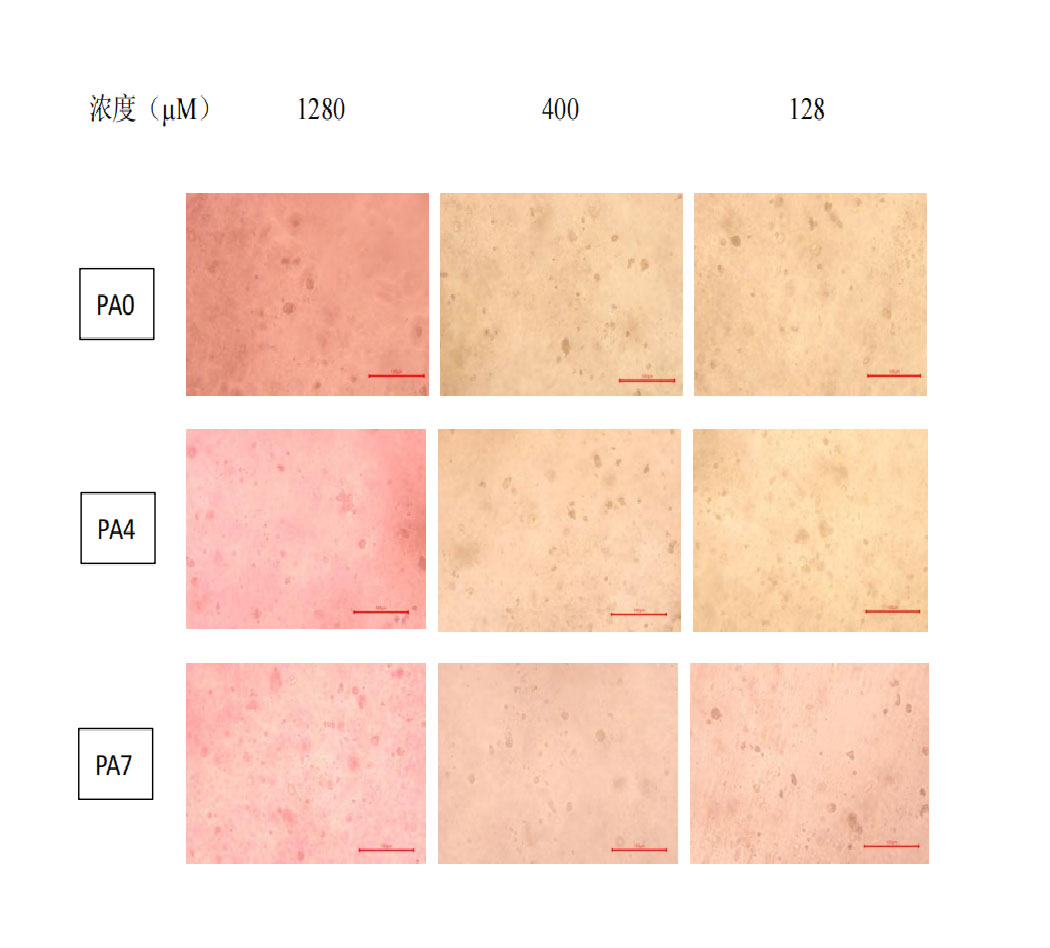
Traditional animal experiments often result in up to 30% of drugs failing due to clinical toxicity due to species differences. Organoids directly originate from human cells and can perfectly replicate the patient's genetic traits and disease phenotypes. As a "touchstone in vitro test" close to the human body, it can accurately predict efficacy and toxic side effects early in drug screening, shifting treatment from "trial and error" to "precise prediction."
By combining high-throughput automation platforms with AI intelligent analysis, organoid technology enables rapid screening of thousands of compounds. This innovative model can significantly shorten the new drug R&D cycle from the traditional 10 years to 3-5 years, reduce R&D costs by more than 50%, and significantly lower the failure rate of late-stage clinical trials.
For rare diseases, genetic diseases, and malignant solid tumors, organoids can construct unique patient disease models in vitro. This not only helps researchers deeply analyze the pathogenesis, but also provides a reliable basis for personalized medication, helping advanced cancer patients escape the dilemma of having no available medication.
Online consultation