Fuyouyou Life | Skin Organoids
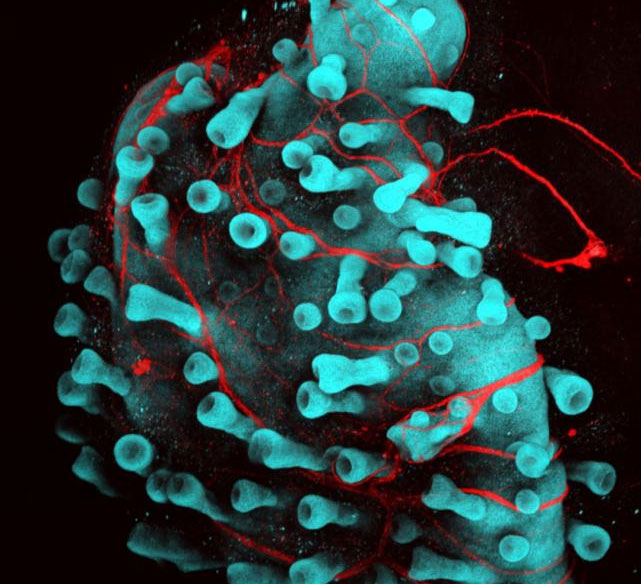
Contains epidermis, dermis, melanocytes, hair follicles, etc., restoring barriers, metabolism, immunity, and inflammatory responses.
It simulates real physiological and pathological processes such as osmosis, inflammation, repair, pigment metabolism, and aging.
It can originate from the patient's own cells, reducing the risk of rejection and avoiding ethical controversy.
By combining microfluidics and AI, it enables high-throughput screening, dynamic monitoring, and mechanism visualization.
Online consultation
Skin Damage Repair and Wound Treatment (Core Breakthrough)
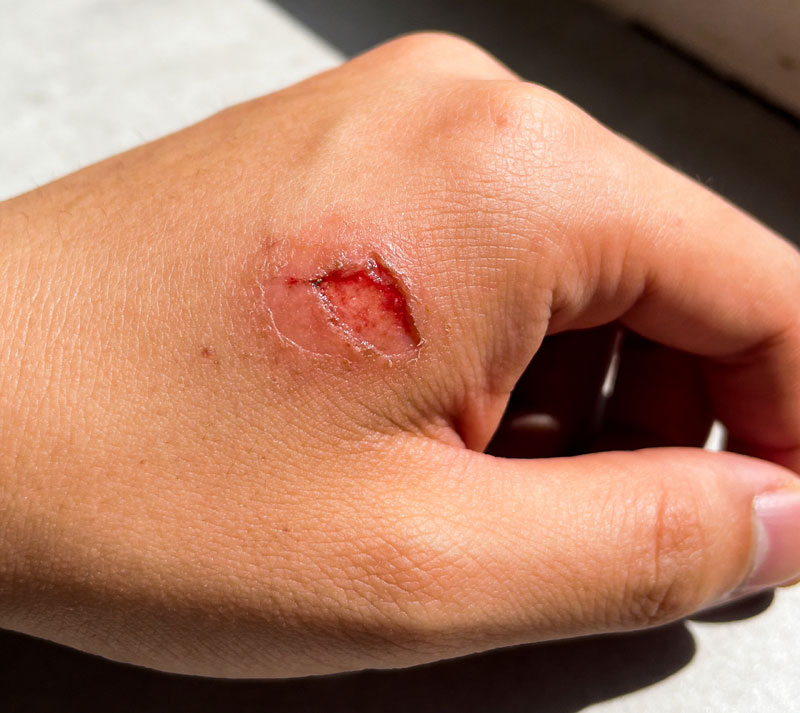
It effectively shortens healing cycles for various acute and chronic wounds such as burns, postoperative incisions, and diabetic foot, significantly reducing scar tissue formation.
Using organoid technology to construct functional skin grafts, effectively solving the clinical challenge of insufficient autologous donor skin sources in patients with extensive trauma.
Constructing hair follicle organoids with regenerative functions in vitro provides new treatment options for clinical interventions in hair diseases such as hair loss, hair growth, and alopecia areata.
Online consultation
Adjunctive treatment and precision intervention for skin diseases
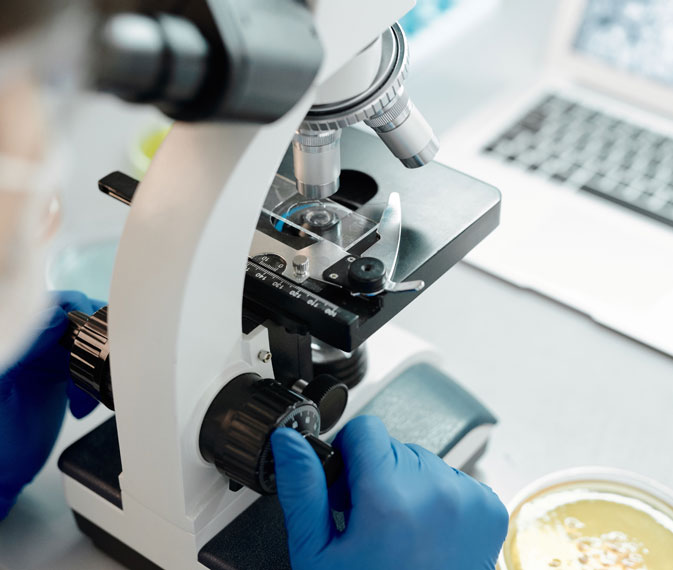
Replacing traditional animal experiments, it rapidly screens safe and effective active ingredients in drugs and skincare products in vitro, improving R&D efficiency and safety.
Using patients' own cells to construct skin organoids, efficacy and safety tests are conducted before clinical use to precisely match drug regimens.
Provides skin barrier reconstruction solutions for minimally invasive treatments such as laser and chemical skin resurfacing, accelerating postoperative recovery and reducing inflammatory reactions and sensitivity symptoms.
Online consultation