Breaking through the bottlenecks of traditional treatments
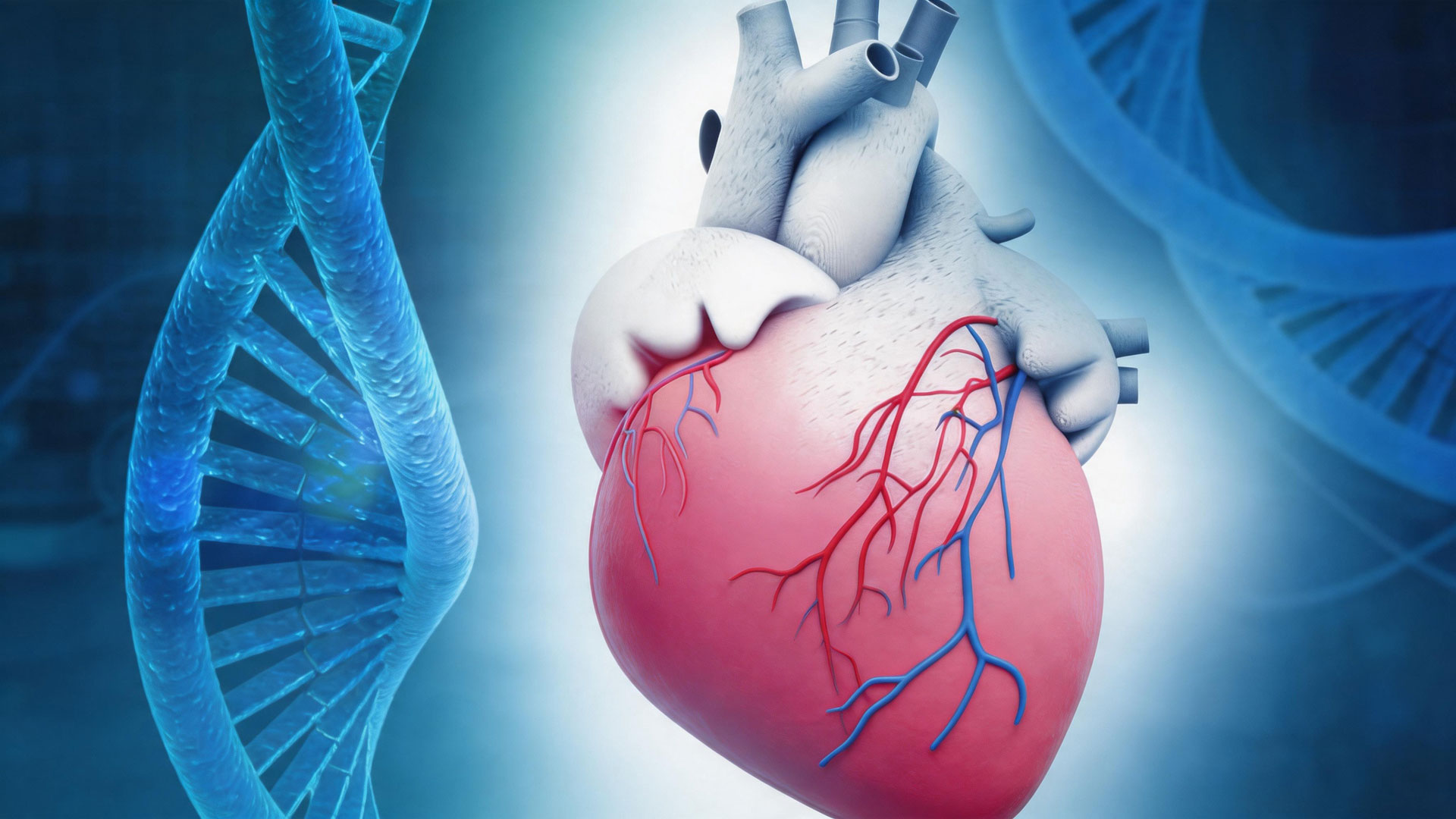
Solving the challenges of "donor shortage" and "exclusion."
No need to rely on donors: autologous iPSC sources, avoiding the shortage of heart transplant donors
Low risk of immune rejection: autologous cell reprogramming matches patient HLA typing, reducing immunosuppressant use
From "symptom relief" to "reversing injury"
Structural repair: directly replenishing lost myocardial cells (the core pathology of heart failure is myocardial cell necrosis), rather than merely improving hemodynamics
Durable function: Animal studies show that iPSC myocytes can survive for over a year after transplantation, maintaining cardiac contractile function (pig heart failure model increases cardiac output by 35%)
Personalized Adaptation: Based on the patient's heart failure type (such as ischemic or dilated), organoid models are used to optimize cell induction protocols to improve treatment precision
Toxicity pre-screening: pre-detection of potential tumorigenicity and arrhythmia risk in myocardial organoid models (excluding undifferentiated iPSCs)
Quality controllable: Standardized organoid culture system, cell purity can reach over 95% (avoiding interference from mixed cells)
Monitorability: Real-time tracking of transplanted cell survival and integration through fluorescent labeling and imaging technologies (such as PET-CT).
Lower long-term costs: compared to heart transplants (which cost over one million RMB), iPSC cardiomyocyte therapy can reduce costs through large-scale production (future single treatment costs are expected to drop to 100,000–200,000 RMB).
High industrialization potential: Organoid technology has achieved automated cultivation and mature cultivation techniques that can meet multicenter clinical needs
Online consultation